Inspired Rolls Out STRATA with 2,500-Terminal LEIDSA Deployment
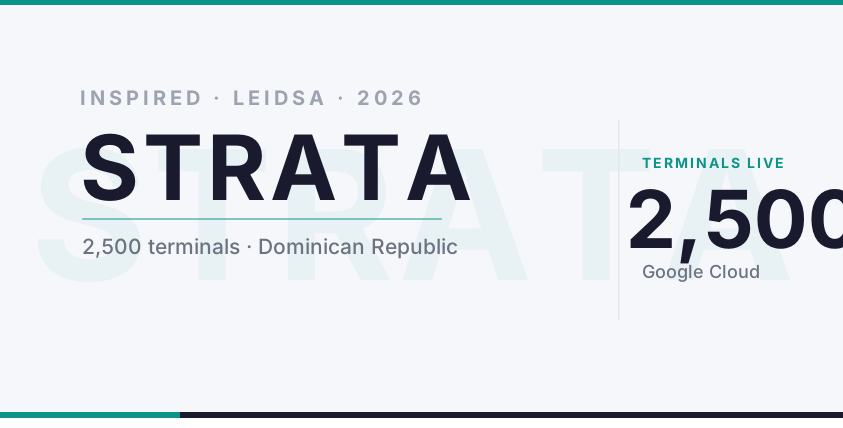
Inspired Entertainment launched the STRATA on February 6, 2026, with its first deployment in the Dominican Republic through LEIDSA, covering 2,500 retail terminals and digital channels. The setup allows the operator to track sales, manage products, and monitor performance across the whole network.
STRATA is built as a cloud-based system using microservices, which makes it easier for operators to add new products and make changes without long delays. It supports fast integrations and gives access to real-time data through dashboards used by operators, regulators, and retail managers.
The system runs retail and digital operations from one system. Lottery products can be sold through terminals, online channels, or both, with all activity tracked in one place. Operators can see sales, manage products, and monitor performance across the full network.
The rollout with LEIDSA is the first full use of STRATA in a live environment. The system is now active across 2,500 retail terminals and connected digital services at the same time. LEIDSA, which Inspired acquired for about $14.5m, now acts as the first example of how the system works at scale.
Brooks Pierce, CEO of Inspired Entertainment, said the deployment shows the system can handle large lottery operations using a cloud-based setup. Pedro Alegria, Executive President of LEIDSA, said the system helps improve control over operations and supports both retail and digital services in one place.
The launch shows a wider shift in the lottery sector. Operators are starting to move away from older systems and toward cloud-based setups that allow faster updates and easier access to data. For suppliers, this means stronger demand for systems that can integrate quickly and support both retail and digital channels.
TGJ Take
Lottery operators are moving away from older systems and toward cloud setups that are easier to run and update. That means faster product launches and better control over data across retail and digital. Suppliers will need to match this pace, or they risk losing deals where integration speed matters. If more operators follow this path, older systems will start to look slow and harder to maintain.