Senegal’s Gambling Sector Mobilizes US$71M in Q1 2026 Amid Tax Reforms
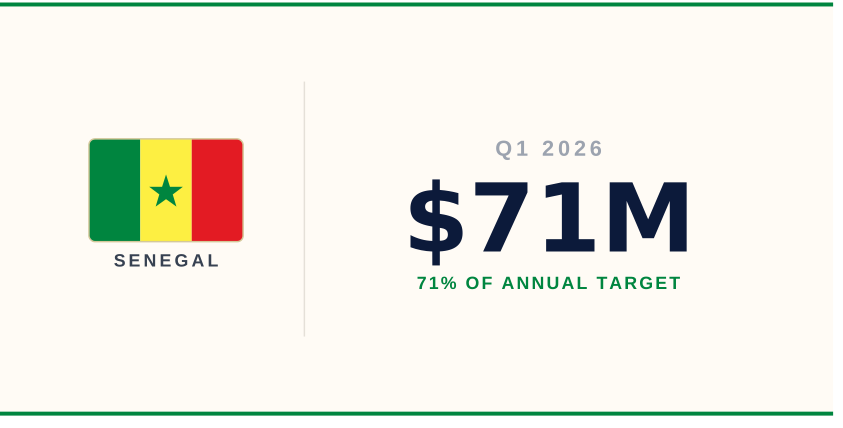
Senegal’s gambling sector brought in CFA40.9bn (US$71m) in the first quarter of 2026, Finance Minister Cheikh Diba said at the African Lotteries Association seminar in Dakar. This is 71% of the government’s target and comes as online and cross-border gaming continue to grow. For operators, it shows the market is expanding, but reporting and tax rules are stricter than before.
The 2025 reforms, including double taxation, were designed to raise government revenue while keeping the sector regulated. Diba said the measures support resource mobilization and help formalize operators’ activity. Operators now need to factor these rules into their budgets and compliance processes.
Senegal’s National Lottery (LONASE) is leading the way on reform. Director General Toussaint Manga has introduced changes that align with government priorities. For suppliers and affiliates, working with LONASE or compliant operators is key to accessing the market safely.
Digital and cross-border gaming now accounts for much of Senegal’s market, putting online operators under closer scrutiny and requiring stronger reporting and tracking systems. At the same time, the government is prioritizing protections for minors, making responsible gaming measures a mandatory part of compliance for both operators and affiliates.
Revenue growth in Senegal comes with stricter rules for operators, especially online, and higher tax obligations. Affiliates need to confirm that their partners comply with reporting and monitoring requirements to protect their operations, while planning for potential adjustments in commissions or revenue share due to the evolving regulatory framework.
TGJ Take
The first-quarter results make it clear that Senegal’s gambling market is expanding, but compliance is now front and center. Operators must meet stricter reporting, tracking, and responsible gaming requirements to stay in the market. Affiliates should confirm that their partners follow these rules to avoid exposure. Suppliers can expect rising demand for tools that simplify reporting and monitoring. Growth is achievable, but only for those who integrate these obligations into their operations.