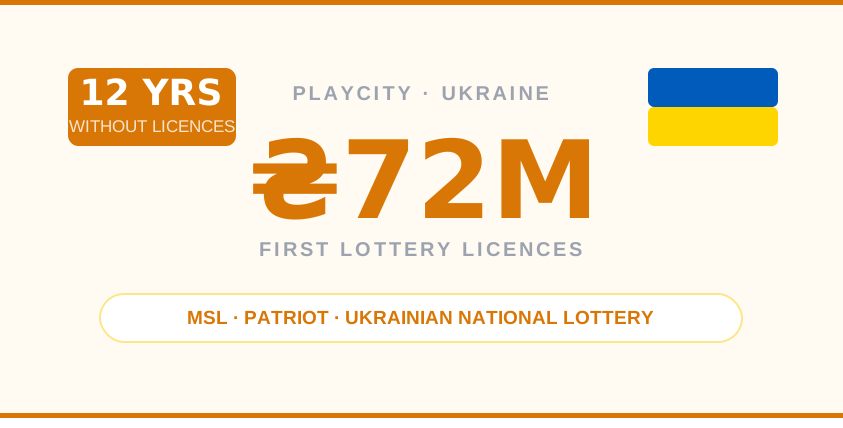
PlayCity Collects ₴72m from First Lottery Licences in 12 Years
The new licences set clear rules. Operators must send data electronically, track sales and payouts in real time, and use QR codes on each ticket and terminal. The licences stay valid during martial law and for one year after it ends, with a minimum term of three years. The government is preparing further changes, including a move to licence auctions and clearer rules to separate lotteries from other types of gambling.
The three operators were selected through a competition completed in late January, which brought the market back under a formal licensing system. After the results were announced, companies had ten days to submit applications and another ten days to complete payments.
PlayCity noted that the sector had worked for more than a decade without proper control. The new system sets the same rules for all operators and gives the regulator direct access to their data.
For operators, the changes mean stricter reporting and less flexibility in how they run lottery products. For players, QR codes and real-time tracking make it easier to check if a ticket or sales point is valid. For the state, the reform restores control over the sector and creates a steady source of licence revenue.
TGJ Take
The market is open again, but under tighter control. The three current operators stay in place, though they now have stricter reporting rules and closer oversight. New entrants may find it harder to get in if licences move to auctions, as costs are likely to increase. Suppliers should see more demand for reporting and tracking systems. This is a controlled setup, not a fully open market.