
AI Shifts Fraud Control and Safer Gambling Into One Workflow
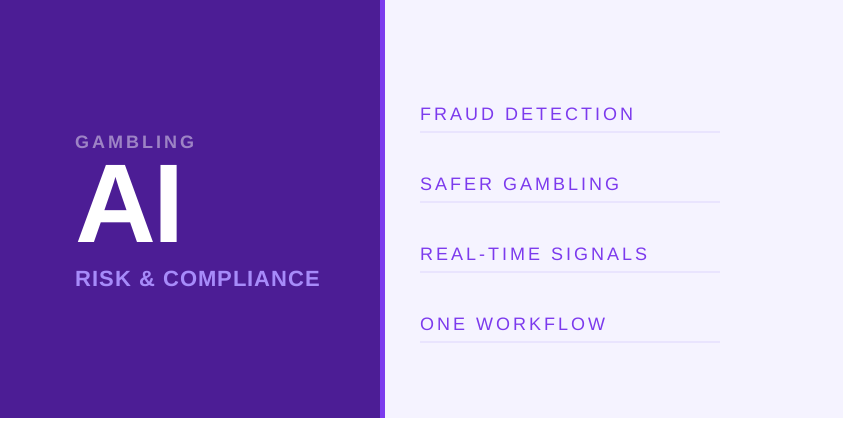
That was the main message from Regulating the Game 2026 in Sydney, where speakers from Crown Resorts, SEON, AWS, Angel Australasia, and the New South Wales regulator said current AI use is less about chatbots and more about predictive analytics, behavioural monitoring, and real-time risk detection.
AI is no longer just a back-office fraud filter or a responsible gambling add-on. According to the panel, the same systems can now flag abrupt betting spikes, long sessions, behavioural shifts, account takeover attempts, multi-accounting, and bonus abuse as they happen.
SEON’s Troy Nyi Nyi said attackers are now using deepfakes, advanced bot networks, and human-like pauses designed to slip past older controls, while firms in the wider fraud market are adding behavioural biometrics, network mapping, and device-level intelligence to catch coordinated attacks and synthetic identities earlier.
On the safer gambling side, Crown CTO Nicole Pelchen said predictive models already help operators spot possible harm before staff could realistically identify it on their own. That matters for online casino and live casino teams as well, because the same logic can support earlier interventions without waiting for a manual review or a customer complaint.
TGJ Take
This matters because operators are starting to buy AI as an operating layer, not a single-purpose tool. Vendors that can connect KYC, fraud, safer gambling, and case management into one workflow will have the edge, especially as regulators push for evidence behind automated decisions. For casino and live casino teams, the upside is faster detection and fewer blind spots. The pressure point is governance: if an operator cannot explain why the system flagged a player, the tech becomes harder to defend internally and externally.