Sportradar Shares Crashed 22% on Illegal Gambling Allegations
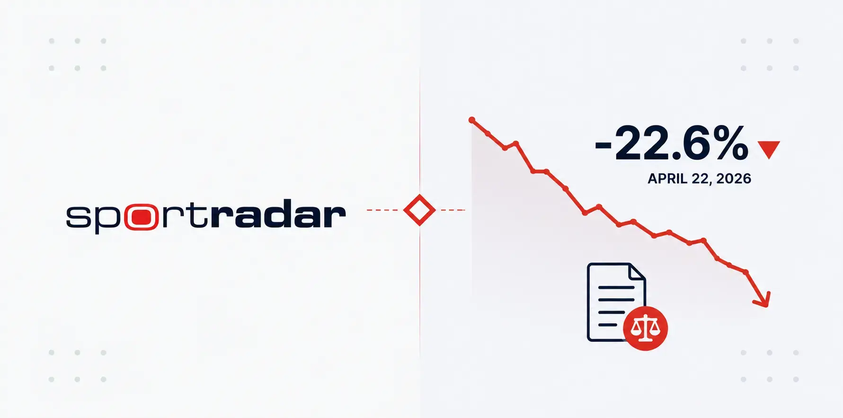
Sportradar’s stock fell 22.6% on April 22, 2026, after Muddy Waters and Callisto Research published back-to-back reports alleging the company had been supplying data services to illegal gambling operators for years. The stock dropped from $16.84 to $13.04 in a single session. A securities fraud class action followed the same week.
The lawsuit covers investors who held Sportradar Class A ordinary shares between November 7, 2024 and April 21, 2026. It was filed in the U.S. District Court for the Southern District of New York. The lead plaintiff deadline is July 17, 2026.
Muddy Waters estimated that illegal operators accounted for 20 to 40% of Sportradar’s total revenues, citing interviews with former employees and its own research. The firm identified nearly 50 Sportradar clients it claims were operating in illegal markets. Its report described the company’s exposure to black and grey market operators not as an oversight but as a deliberate business strategy.
Callisto Research, working independently, examined hundreds of gambling platforms and found that roughly one third of platforms Sportradar claims to serve were using its products while operating illegally. Callisto put potential exposure to unlicensed operators at 30 to 40% of revenue. The report also confirmed that three U.S. gambling regulators had already opened reviews of the company.
Throughout the class period, Sportradar publicly stated it maintained a four-level process to confirm it only works with licensed operators. The lawsuit alleges those statements were false for over 16 months.
💡 TGJ Take
Sportradar supplies data to a large share of the global sports betting market. If the 30 to 40% illegal revenue exposure estimate holds up through the U.S. regulatory reviews, every licensed operator using Sportradar’s products will face a compliance question they have not had to answer before: does your data provider’s client list create regulatory risk for your own licence? In markets where operators must conduct due diligence on third party suppliers, the answer may not be straightforward. The three ongoing regulatory reviews matter beyond Sportradar itself. A formal finding against the company would set a precedent for how regulators treat data suppliers, not just operators. That is a structural shift the entire data sector has not had to deal with yet.