New York Sues Valve Over Loot Boxes, Targeting Billion-Dollar Skin Market
Letitia James, New York Attorney General, filed a lawsuit against Valve in state court on February 26, 2026. The complaint targets loot box mechanics in Counter-Strike 2, Team Fortress 2, and Dota 2, alleging they constitute illegal gambling under New York law.
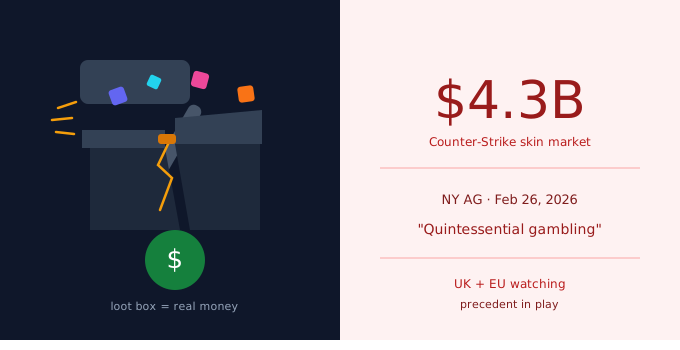
The case centres on how the mechanic works in practice. Players purchase keys to open virtual containers, which award randomised items. Some of those items carry real monetary value on secondary markets. The Counter-Strike skin market was estimated at $4.3 billion in March 2025, and one skin has reportedly sold for over $1 million on resale.
James described the mechanic as “quintessential gambling” and argued it violates state constitutional and penal laws. “Valve has made billions of dollars by letting children and adults alike illegally gamble for the chance to win valuable virtual prizes,” she said.
Valve operates Steam, which includes a Community Market where players sell items to fund further purchases. Users can also connect accounts to third-party marketplaces for direct cash conversion. James’ office argues these systems give loot box rewards tangible financial value, which underpins the gambling classification.
Youth Exposure and Security Risks
The lawsuit puts particular weight on harm to younger users. James called Valve’s loot boxes “particularly pernicious,” given their popularity among children and adolescents. The filing cites research suggesting children exposed to gambling mechanics are four times more likely to develop gambling problems later in life.
The investigation also flagged account security. Many players reported hacked accounts and fraudulent transfers of high-value items. The cash conversion potential has made digital skins a target for theft.
The legal action asks the court to ban Valve from continuing these practices, recover alleged unlawful profits, and impose financial penalties. Valve had not publicly responded at the time of filing.
TGJ Take
The New York AG filing against Valve ends the policy stall. At $4.3 billion, the Counter-Strike skin market was always a gambling case. A win for James hands the UK and EU a working legal template. Every randomised reward mechanic tied to secondary market value now carries documented liability. Operators and developers knew this was coming.