Bangladesh Cabinet Backs Gambling Law Overhaul, Targets Online Bets
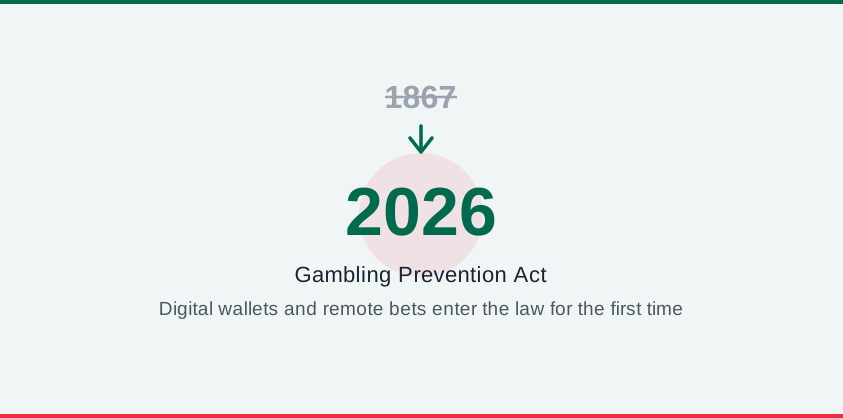
Bangladesh’s Cabinet approved the draft Gambling Prevention Act, 2026 on June 18, moving to replace The Public Gambling Act of 1867. The meeting was chaired by Prime Minister Tarique Rahman, according to state news agency BSS. The Ministry of Home Affairs proposed the bill in response to growing online and offline gambling activity enabled by digital technology.
The draft introduces definitions the 1867 law never addressed. These include digital assets, digital wallets, online and remote gambling, totalizators, bookmakers, match fixing and spot fixing. BSS reported the bill sets penalties of fines, imprisonment or both, with severity tied to the offence, though exact figures were not disclosed.
Cabinet approval is not final passage. BSS confirmed the draft still requires vetting by the Legislative and Parliamentary Affairs Division before it can move forward in parliament.
Bangladesh already bans most gambling, with narrow carve outs for horse race betting and government approved lotteries. This bill does not signal market opening. It signals tighter enforcement against unlicensed and offshore activity, with new statutory language built specifically for digital channels.
The match fixing and spot fixing provisions stand out given Bangladesh’s large cricket betting audience. Clearer statutory language here gives authorities a more direct legal link between gambling enforcement and sports corruption cases, an area where prosecutions have historically relied on weaker or indirect legal grounds.
For offshore operators, affiliates and payment processors serving Bangladeshi users, the bill aims to close gaps the 1867 law left open around digital wallets and remote betting access.
💡TGJ Take
This is enforcement architecture, not market liberalization. Bangladesh is building the legal plumbing to chase digital money trails it currently cannot touch under an 1867 statute that has no concept of a wallet or a remote bet. Operators and affiliates running grey market traffic into Bangladesh should treat this as a warning shot, not background noise. Watch the vetted text closely: how broadly “digital assets” is defined will decide whether enforcement reaches crypto-based betting flows or stays confined to conventional wallets. Sports integrity teams should watch this too, since a statutory match fixing definition strengthens evidentiary grounds in cricket corruption cases well beyond Bangladesh’s borders.