Affiliate Fraud Detection: Spot and Stop Fake Traffic Like a Pro
Affiliate fraud can make you lose money. You might pay more for traffic that never turns into customers, or worse, for sign-ups that shouldn’t count. Plus, you reward the wrong people while your best partners get pushed out. Catch it before you pay and build protections into your programme from day one. This guide covers what affiliate fraud is and the most common tricks you’ll see.
Affiliate Fraud 101
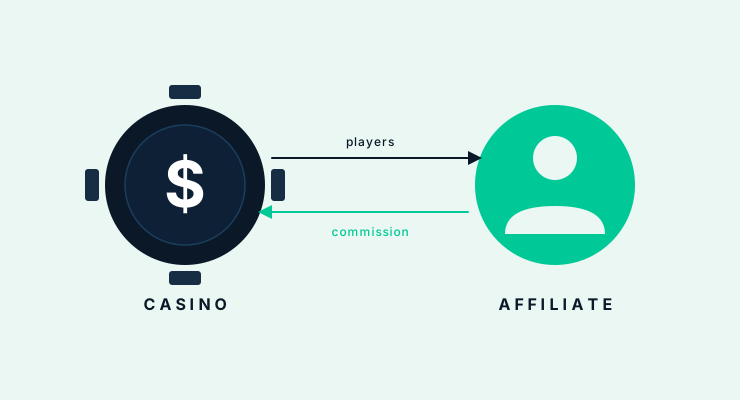
What is affiliate fraud? It happens when a partner uses dishonest tactics to claim payment for traffic they didn’t bring in. Think fake clicks, stolen leads, low-quality sign-ups, or sales. The partner gets paid, but you get nothing of value.
You might see tactics like:
- Cookie stuffing: Fakes drop tracking codes onto people’s browsers without any real clicks.
- URL hijacking: Partners register misspelled versions of your site name to catch your traffic.
- Brand bidding: These people bid on your protected search terms and steal credit for sales.
- Coupon abuse: Unauthorized discount codes show up on deal sites without your approval.
- Click injection: Fake clicks target mobile apps to steal attribution.
- Collusion: Multiple affiliates work together to game the system.
Casino programmes deal with extra headaches on top of all this. Fake player sign-ups increase your numbers without real value. The same person creates duplicate accounts to trigger multiple payouts. Bonus abuse is another major issue. Many people register just to claim welcome offers with no plan to actually play. Beyond that, traffic from banned countries can violate your license terms. Misleading bonus ads create legal problems that cost way more than just wasted payments.
The Reason Why Affiliate Fraud Matters for Brands and Operators
Scammers corrupt your data, which means every decision you make is based on lies. Your numbers won’t make sense.
- Customer acquisition cost looks wrong
- Return on ad spend becomes meaningless
- Conversion analysis doesn’t tell you useful info
Honest affiliates get hurt in the process. When a fraudster steals credit for conversions they didn’t drive, legitimate partners lose the commissions they actually earned. They check their dashboard, see weak numbers, and blame your programme. Eventually, they leave. You might lose your best partners, while the worst ones stay.
Then you try to scale, and it gets even worse. You might double down on channels that don’t work because affiliate scams make them look profitable. At the same time, you cut the budget from genuine publishers because someone else steals credit for their referrals. Those bad decisions are expensive.
On top of that, misleading ads break the rules set by regulators. Fake player accounts create legal problems that don’t go away even after you’ve stopped the fraudster. One bad affiliate can put your entire business at risk.
The Most Common Types of Affiliate Fraud
Fraud takes many forms. The tactics below are the most common ones you’ll see.
Affiliate Click Fraud
Affiliate click fraud is a scam that uses bots, scripts, or “click farms” to pump up traffic numbers artificially. Scammers create fake clicks to trigger your tracking code. Then they claim credit when the person converts later through a completely different source. It could be automated software or actual people who get paid pennies to click all day. So, watch out for huge click numbers with barely any sign-ups or sales.
Cookie Stuffing
This tactic drops your affiliate tracking code onto someone’s browser without their consent or a real click. The person never clicked a link, but the code is there anyway. When they visit your site and sign up or buy, the fraudster claims the payment.
It’s theft. The affiliate didn’t influence the sale. Your tracking system credits them just because the code exists, not because they earned it.
Fake Leads and Registrations
Scammers submit fake user data to hit their lead targets. They use temporary emails that expire in an hour, invalid phone numbers, duplicate accounts from the same person, or stolen personal details. The sign-ups are low-quality because these people don’t want to be real customers.
Casino programmes see these affiliate scams often. For example, fake player accounts that never deposit are common. The affiliate gets paid for a “qualified lead,” but you end up with a worthless account.
URL Hijacking and Typosquatting
Affiliates register misspelled domains or lookalike URLs to catch people interested in your brand. For instance, someone might type your casino name wrong. They could also land on the typo domain and maybe even get redirected through the affiliate’s tracking link. When they sign up, the partner claims credit.
Brand Bidding and Paid Search Violations
Some affiliates bid on your brand name in search engines even when your programme bans it. They might run shady ads. With your brand name, they can attract people who were already interested in your site. Then they claim payment for traffic you would have gotten anyway, which increases what you pay per customer and takes money straight out of your budget.
Coupon and Promo Code Abuse
Partners share coupon codes without your permission or scrape them directly from your emails. These codes end up on deal sites, even though you never approved the distribution. When customers reach checkout, they search for discounts and find these leaked codes. The affiliate then earns last-click attribution, which means you pay commission on a sale that would have happened anyway.
Mobile Attribution Fraud
Mobile affiliate scams use technical tricks that happen in seconds. For example, scammers flood the system with fake clicks right before someone downloads an app. This fools the tracking system into paying the wrong person.
At the same time, fraudsters could also hack the tracking software to create false records. Fake activities inside the app then trigger automatic payments. You won’t pay for real customers. Instead, you’ll spend money on automated programs.
Affiliate Collusion and Programme Abuse
Multiple partners sometimes team up to cheat the system and increase their profit. They send the same users back and forth between their accounts to earn double commissions. On top of that, they plant tracking cookies in a coordinated way to trigger multiple payouts for the same customer.
Detect Affiliate Fraud Easily With These Signs
One suspicious sign doesn’t always prove there’s a scam. But when you see the same weird patterns show up repeatedly, that’s when you need to check manually. The trick is to compare how an affiliate performs against what normal behaviour looks like. Don’t just flag all the unusual bits. Watch for the context.
First, consider the sudden jumps in traffic from one partner. Lots of clicks but zero sales means fake traffic. Really high sales rates from weak traffic sources don’t add up either.
Look for weirdly fast times between the click and the sale, like someone who signed up in under 10 seconds. It could be a bot. Also, if you see multiple sign-ups from the same device or IP address, you could have duplicate accounts on your hands.
Plus, pay attention if an affiliate suddenly starts to take credit for sales they never brought to you before. When tracking links are unclear, you can’t verify where the sale came from.
Casino programs need to be mindful of how their players behave. Accounts that sign up, drop in the minimum deposit amount, grab a bonus, and then never log in again are suspicious. The same goes for accounts that show no normal activity after they register.
Spot patterns and collect the evidence for proper affiliate marketing fraud detection. You can’t just rely on guesses or what your gut tells you.
The Simple Way to Prevent Affiliate Fraud
The best defence against scams is a combo of careful screens, clear rules, and consistent checks. Here’s how you can protect the budget and keep your program clean.
Vet Affiliates Before Approval
Don’t auto-approve every application just because you want to grow your program quickly. Instead, review each manually. First, check the partner’s website quality and how long their domain has been active. Then look at the kind of content they publish and where they say the traffic comes from. Beyond that, review what other people are saying about them online. If they refuse to share their methods or the site looks weird, reject the application right away.
Set Clear Programme Terms
Your program rules need to be clear about what’s allowed and off-limits. First, be clear about which traffic sources are acceptable and which ones you won’t tolerate. Then explain your paid ad rules in detail so there’s no room for confusion. List out any restrictions on partners with your brand name in their ads. On top of that, define how affiliates can use and share discount codes with their audience. Clear standards for email campaigns and social media posts should be included as well, so affiliate program fraud doesn’t happen.
Validate Conversions Before You Pay Commission
Hold payouts long enough to verify conversions are real before you release any payment. Then check whether chargebacks have come through from previous transactions. You also need to make sure the leads you get are quality submissions. Confirm that first-time deposits are genuine and not just automated bot attempts. On top of that, manually review any high-risk conversions before you pay out.
Monitor Placements and Traffic Sources
Affiliates must tell you where their traffic comes from. They should give you specific URLs, newsletter details, social profiles, ad placements, coupon pages, paid campaign screenshots, or landing page links. If a partner drives serious volume but can’t show you where it comes from, move on. Make transparency completely non-negotiable in your program.
Use Fraud Detection Tools If Necessary
Look for tools that automatically spot weird patterns. For example:
- Bot filters get rid of fake computer-generated traffic before it even counts.
- Tracking IP addresses and devices helps you catch the same person or bot.
- URL checkers make sure traffic really comes from where affiliates say it is.
- Coupon trackers catch partners who post your discount codes on websites you never said they could use.
- Alerts let you know right away when affiliates use your brand name in ads without permission.
Some tools give each partner a trust score based on how they’ve acted before. This helps you see who’s reliable and who might be sketchy. For example, activity logs keep a record of what happened, so you have proof if you need it later.
All these tools should help you make better choices, not make all the choices for you. Computer systems can find sketchy patterns, but you’re the one who should decide what to do about it.
Affiliate Fraud in Casino and iGaming Programmes
Casino affiliate fraud is way more complicated than regular online store scams. Commissions depend on first-time deposits, how you split revenue, bonus setups, player value, which countries you allow, identity checks, and ad rules you have to follow.
The most common type of fraud involves fake first-time players who register, drop in the smallest deposit possible, and then disappear completely. Similarly, duplicate accounts pop up with similar names, emails, or payment details to grab multiple bonuses.
Scammers also aim for your marketing and compliance requirements. For example, fake bonus claims violate ad standards you must meet. Landing pages that skip responsible play measures aren’t compliant with regulations either.
Watch out for technical red flags as well. Users who deposit exactly enough to trigger your payout and then cash out right away are another bad sign you can’t ignore. Casino affiliate programs need verified, compliant, real players who meet regulatory standards and responsible play requirements.
Affiliate Fraud Detection Tools and Their Features
Small programs can start with basic tracks like platform dashboards and Google Analytics. But as your program grows, automation might be necessary.
Tools for affiliate fraud detection come with features like instant alerts that flag weird patterns the moment they happen. They might also have bot filters that get rid of fake clicks before they throw off your numbers. Meanwhile, IP and device tracking help you catch the same person across multiple sales. Source checkers make sure the traffic matches what affiliates said they’d send.
Discount code monitoring shows you when codes get posted on sites you never approved. As for search ad checks, they catch partners who use your brand name without permission. These tools and many others should back up your decisions.
The Fight Against Fraud and Common Mistakes Brands Make
When you auto-approve affiliates to grow faster, scammers slip in before you’ve checked them out. Quick commission payments mean you can’t take the money back once fraud shows up. Click tracking that ignores whether those clicks turn into quality sales misses what really matters.
When you don’t ask where traffic comes from, you put yourself at risk of affiliate marketing scams. Vague program rules leave room for people to bend or break them. If you don’t watch for affiliates who bid on your brand name, you lose money on your own search terms. When you ignore coupon abuse, fraudsters take credit for sales that were already yours.
If you skip checks on geographic traffic sources, you create legal problems. Identical scam rules across different countries ignore how risk changes by market. Manual reviews alone won’t work once you’ve got hundreds of partners. Fraud will slip through.
When you kick out these people without proof, you create legal trouble and look unfair. If you don’t keep records of scam cases, you can’t learn from what went wrong or back up your decisions later. The biggest mistake is not treating affiliate fraud prevention as a priority from the start.
Do These Things Once You Spot Affiliate Fraud
As soon as you see a scam, you need to act fast but smart. The way you handle it protects your program legally and keeps honest people on your side. Here’s what to do step by step.
- Stop the payment: Don’t send money while you try to detect affiliate fraud, or you’ll never get it back.
- Get proof: Collect clicks, IP addresses, devices, timestamps, where traffic came from, screenshots, coupon records, lead information, and sale details. You need documentation to back up your decision, not just a hunch.
- Check the activity against your program rules: Did they break a specific rule? Do you see a pattern or just one weird sale? Context tells you whether it’s fraud or an honest mistake.
- Reach out to the affiliate if things aren’t clear: Sometimes what looks like a scam is just confusion or a tech problem. Let them explain before you take action.
- Take back commissions once you’ve confirmed fraud: Don’t reward people who broke your rules, even if it feels awkward. Kick out or suspend the affiliate for serious violations, and write down your reasons clearly.
- Update your systems to prevent repeats: Change your program rules, settings for affiliate fraud detection, or approval process based on what you learned. Every case shows you where your program has weak spots.
Good records do more than just document what happened. They protect you if someone takes legal action and help you spot patterns across multiple cases. Most importantly, clear documentation proves you treat all affiliates fairly, which matters when honest people see you enforce your rules.
TGJ Take: Fraud Prevention Protects Real Partners
Prevent affiliate abuse to protect your budget and ensure honest partners get paid for the work they did. When you remove scammers, you’ll see which marketing channels work and the affiliates that drive sales. That said, Casino and iGaming programs deal with bigger risks because high commissions attract serious partners and scammers. So, you need clear rules, verified traffic sources, responsible ads, payment controls, and regular checks to stay protected. Be smart. Build these protections into your program from the first day, and not after scammers have already made you spend money.